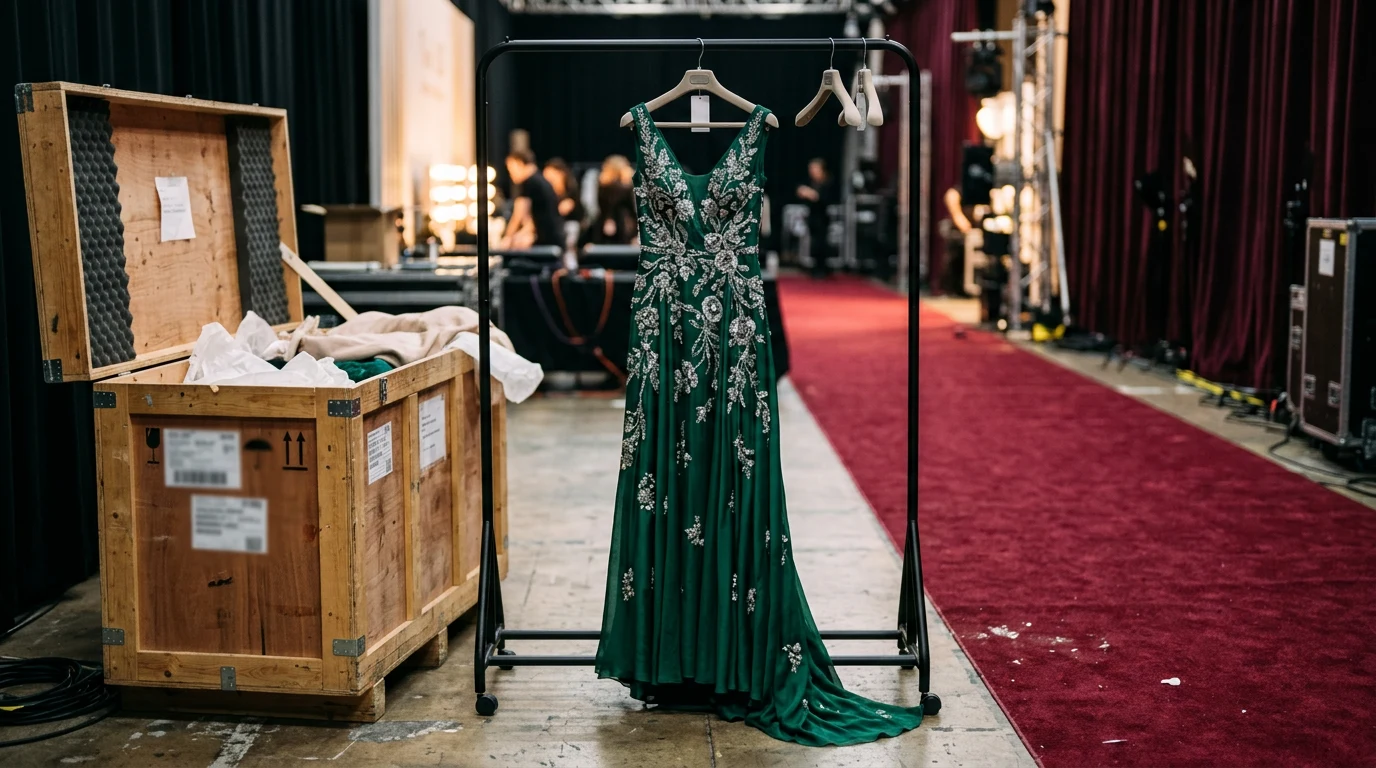
How Red Carpet Dressing Deals Actually Work — and Who Pays
Brands, not stars, usually cover a red carpet look, but the loans, fees, and liability behind it run mostly on informal agreements, according to legal and trade reporting on the practice.
Ambassador contracts, loaned archive, styling budgets and the commercial arrangements behind what a famous person wears to a public appearance.
Brands, not stars, usually cover a red carpet look, but the loans, fees, and liability behind it run mostly on informal agreements, according to legal and trade reporting on the practice.
Exclusivity clauses are the fine print that keeps a famous face out of a rival's dress for months at a time, and they carry real money on both sides.
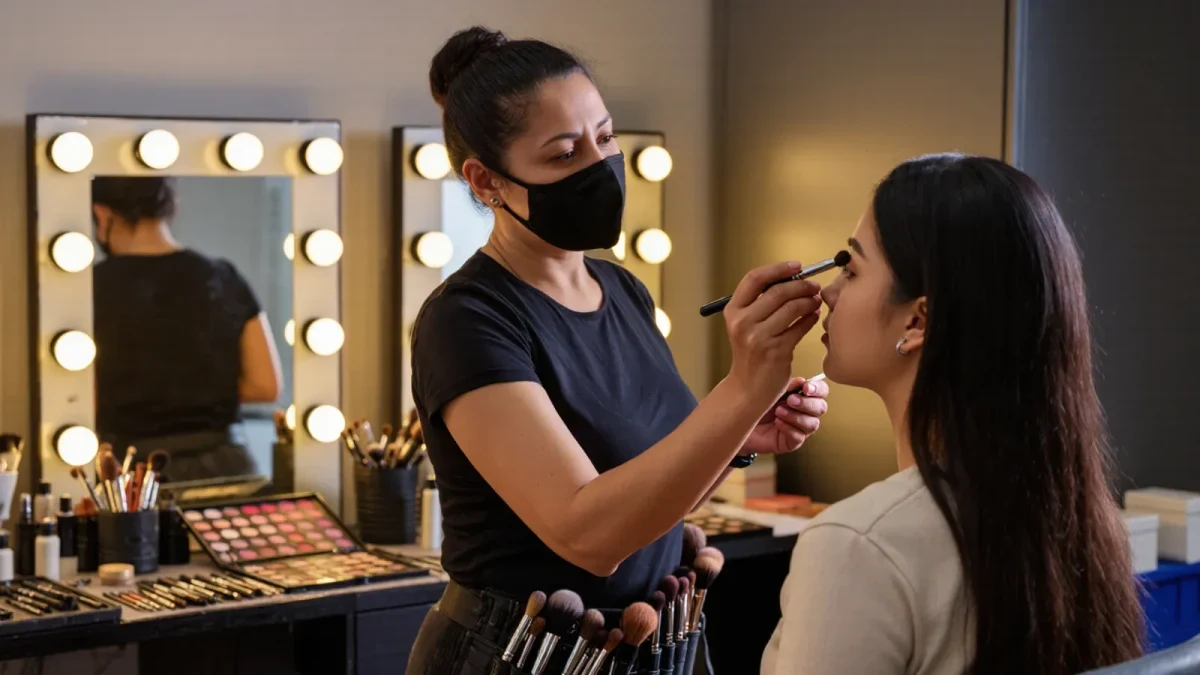
Beauty sponsorships run on two tracks — product supplied free to productions and stars, and paid partnerships attached to premieres and festivals — and only one of those tracks involves a check.

Celebrity fashion lines get licensed because the name rents an infrastructure that already works — the manufacturer makes, the star earns royalties, and neither side builds a factory.
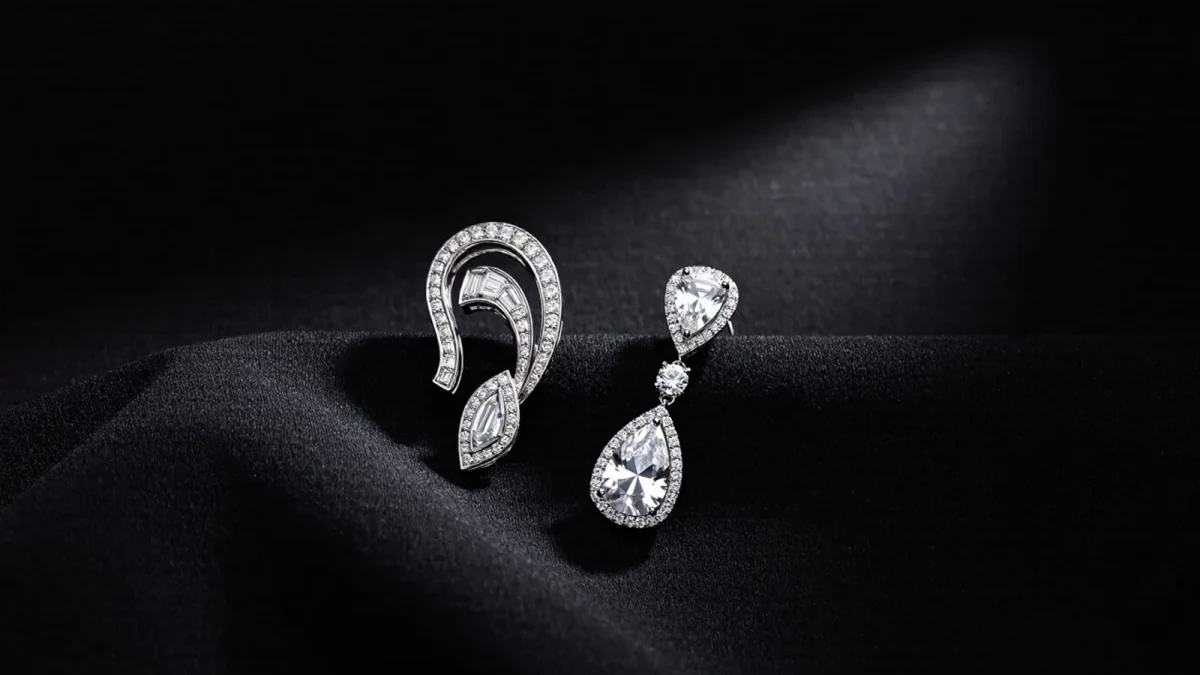
Brands pay for red carpet placement because a single photographed look reaches more engaged viewers than a season of bought advertising — at a fraction of the cost per impression.
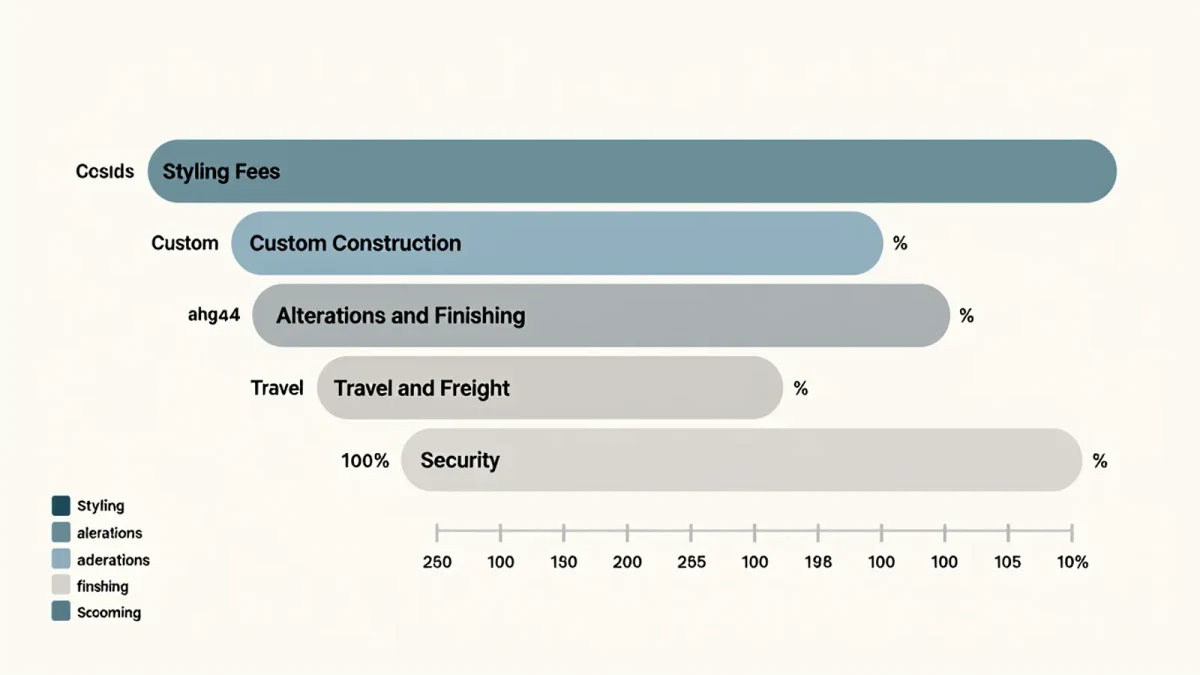
A premiere wardrobe budget breaks down into fees, custom builds, alterations, travel and security — and a full press season can clear six figures before a single gown is bought.